

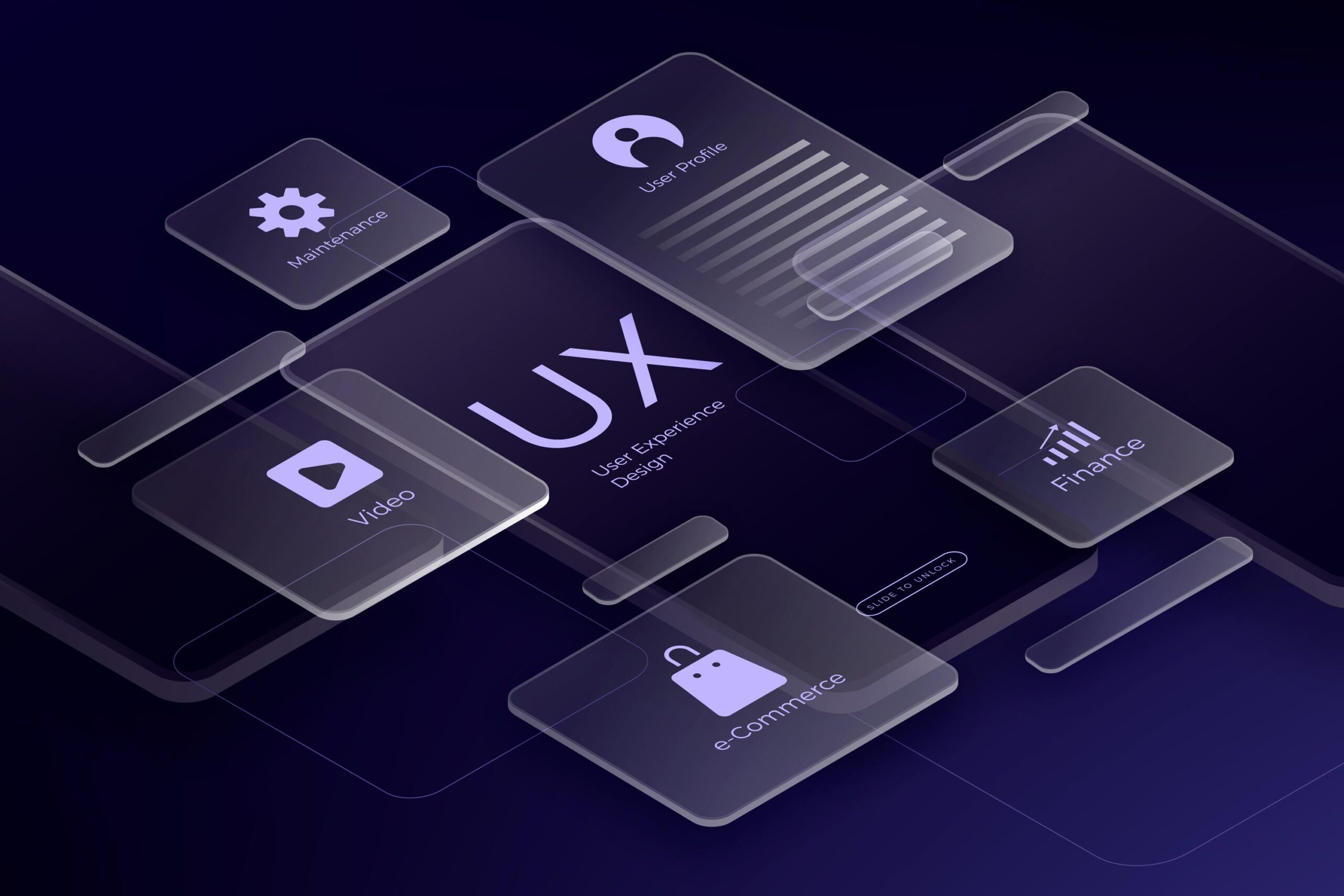
Exploring the Latest UI/UX Trends in 2026
As digital experiences continue to evolve, 2026 is shaping up to be a defining year for UI/UX design. Designers are pushing boundaries to create interfaces that are not only beautiful but also intuitive, accessible, and deeply human-centered. Whether you’re a business owner, product manager, or a designer, understanding the latest trends can help you stay ahead in an increasingly competitive digital landscape.
In this article, we explore the top UI/UX trends shaping digital experiences in 2026 — from immersive interfaces to hyper-personalization and accessibility-first design.
1. Immersive Experiences with Augmented Reality (AR)
Augmented Reality is transitioning from a novelty to a mainstream UI element. Thanks to increased device compatibility and faster mobile networks, designers are layering digital content into real-world environments.
Why it matters:
AR makes experiences interactive and engaging — whether for online shopping, virtual try-ons, real estate previews, or educational apps. As users crave richer interactions, AR bridges the gap between digital and physical experiences.
Design tip: Ensure AR elements are intuitive, unobtrusive, and enhance — not distract from — user goals.
2. Voice UI Continues to Rise
Voice user interfaces (VUIs) are no longer restricted to smart speakers. In 2026, voice interactions are becoming integrated into web and app navigation.
Benefits:
-
Improved accessibility for users with mobility or vision challenges
-
Faster, hands-free interactions
-
Enhanced usability in smart devices
Designers are now combining voice with visual cues to create seamless multimodal interfaces that communicate context while responding to user commands.
3. AI-Powered Personalization
AI is revolutionizing how users interact with digital products. From dynamic content recommendations to adaptive UI layouts, personalization algorithms are making user experiences smarter.
Examples of AI-driven UI/UX:
-
Predictive search and smart suggestions
-
Personalized onboarding flows
-
Adaptive interfaces based on behavior
Why it’s trending: Users expect customized experiences. AI helps deliver the right content, at the right time, enhancing engagement and retention.
4. Minimalism with Purpose
Minimal design is evolving — ditching empty space for purposeful simplicity. In 2026, minimalism means meaningful minimalism: every element is intentional, every interaction thoughtful.
Key elements:
-
Reduced cognitive load
-
Fewer distractions
-
Clear visual hierarchy
-
Strategic use of color and typography
This trend is especially relevant for mobile-first experiences, where clarity and speed are essential.
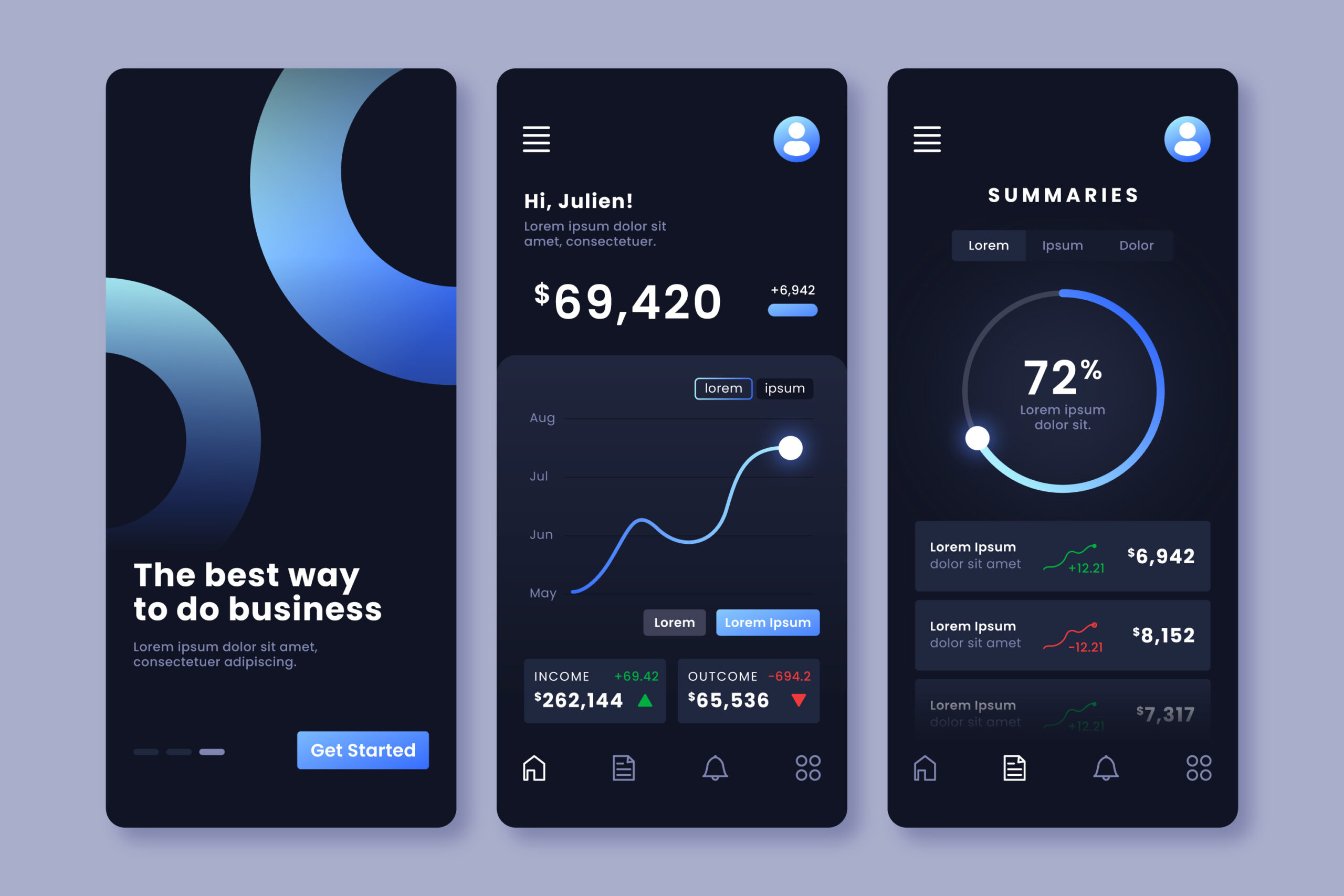
5. Dark Mode, But Smarter
Dark mode has been popular for years, but designers are now going beyond a simple color switch. We’re seeing “adaptive dark mode” — UI themes that adjust based on ambient lighting, time of day, or user preference.
Benefits:
-
Reduced eye strain
-
Better battery efficiency on OLED screens
-
Sleek and modern aesthetics
Smarter dark modes improve readability and visual comfort without sacrificing brand personality.
Design that’s driven by data is design that works.
The UI/UX landscape in 2026 is about depth, meaning, and human-centric experiences. It’s no longer enough to build functional interfaces — experiences must be intuitive, engaging, accessible, and personalized. Whether you’re designing websites, mobile apps, or immersive digital products, staying updated with these trends will help you create designs that users love and remember.
At Jamali IT Technology, we combine creativity with data-driven insights to deliver design experiences that are cutting-edge and user-focused. Ready to bring your digital experience into 2026 and beyond?